Hello everyone,
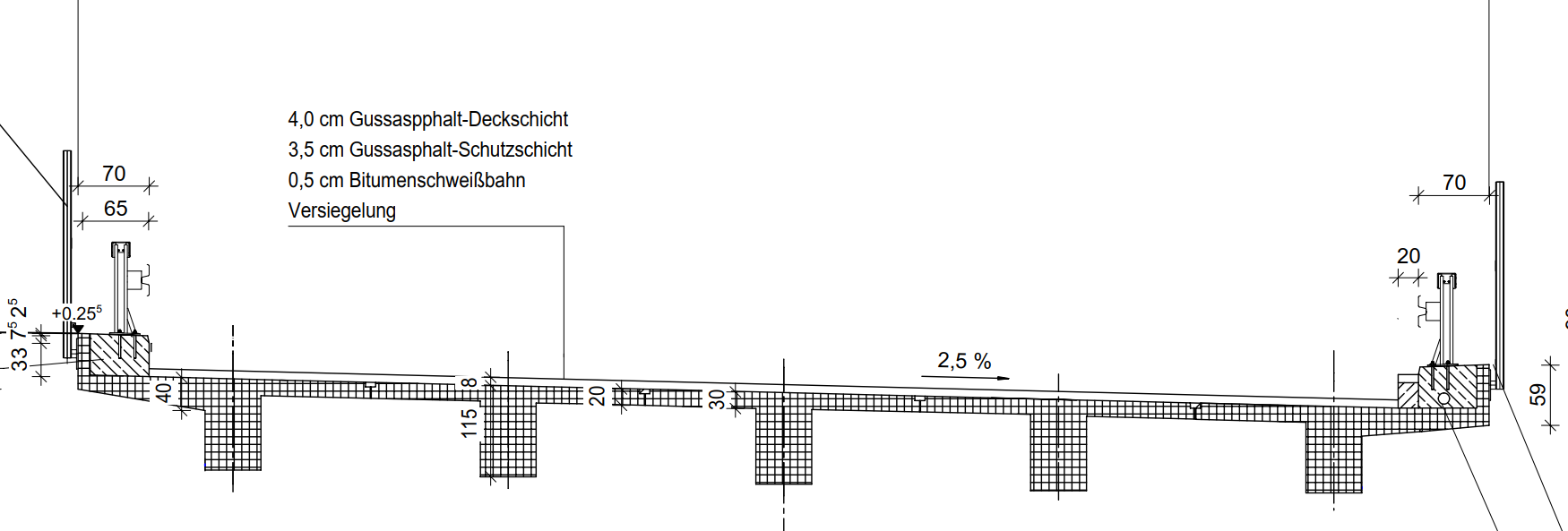
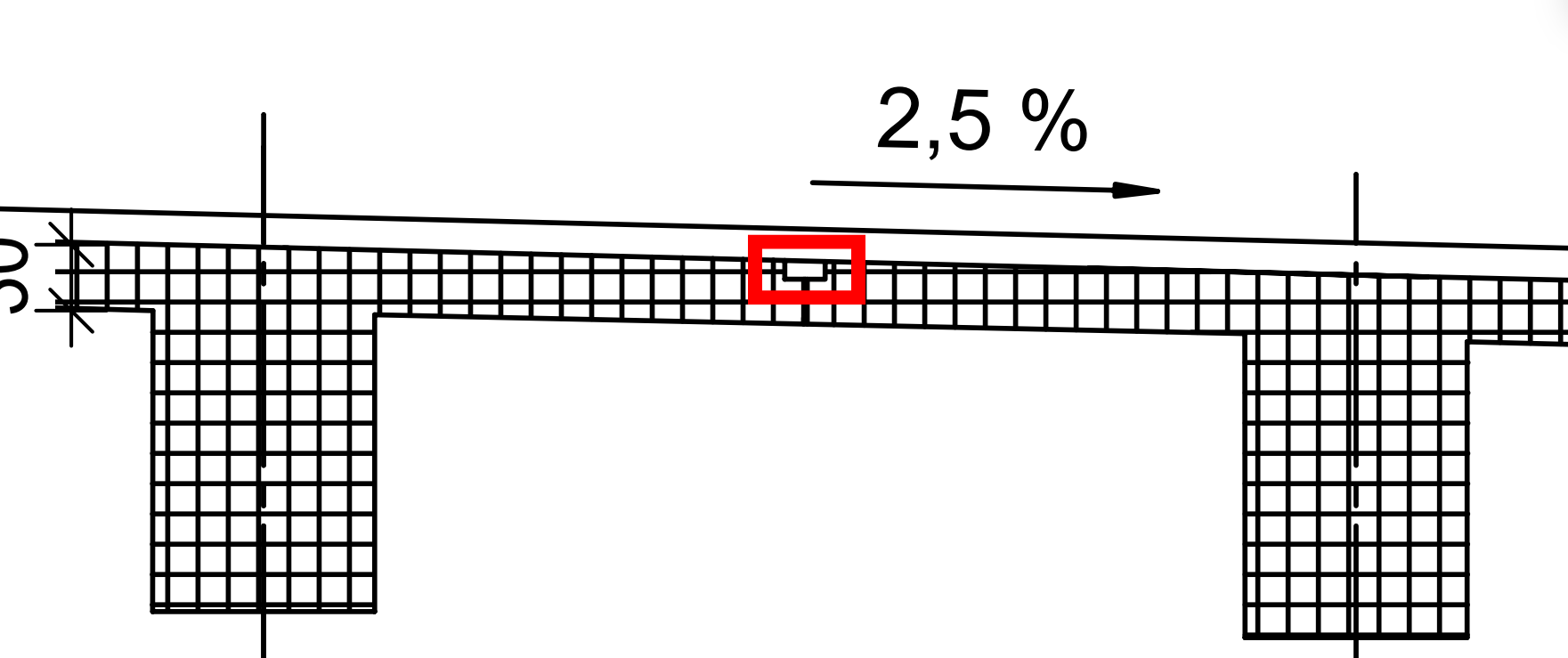
I am currently investigating whether and how a longitudinal cast-in-place concrete joint between the top flanges of precast T-girders can be realistically modelled in RFEM.
The global superstructure has already been analysed using a folded-plate model, and the internal forces in the joint have been derived from that model. These design forces are now intended to be transferred into a local RFEM model in order to study different geometric configurations of the joint.
The joint consists of:
- a cast-in-place concrete infill between the adjacent top flanges,
- reinforcement projecting from the precast elements into the joint,
- and it is intended to provide bending moment capacity (moment-resisting connection).
My objective is to investigate different joint geometries and evaluate the resulting stress distribution and structural behaviour.
My main questions are:
- Does it make mechanical sense to model the joint as a surface (shell), or should it be represented as a 3D solid (volume element) to realistically capture bending moment transfer?
- What would be the recommended modelling strategy in RFEM for such a moment-resisting precast concrete joint?
- In initial attempts using surface elements for stress analysis, I did not obtain meaningful results — are there typical modelling pitfalls in this context?
Any guidance or modelling recommendations would be greatly appreciated.

 Modeling Approach
 Recommendations
 Evaluation of Your Results