Our Knowledge Base is your hub for technical articles, tutorials, and background information on Dlubal Software – straight from our developers and support experts.
It's worth a look for these reasons:
 regular updates with practical, easy-to-follow articles
written by Dlubal specialists
including graphics and step-by-step explanations
Our latest articles take you into the world of advanced wind simulation – from roller coaster wind interaction to new turbulence models:
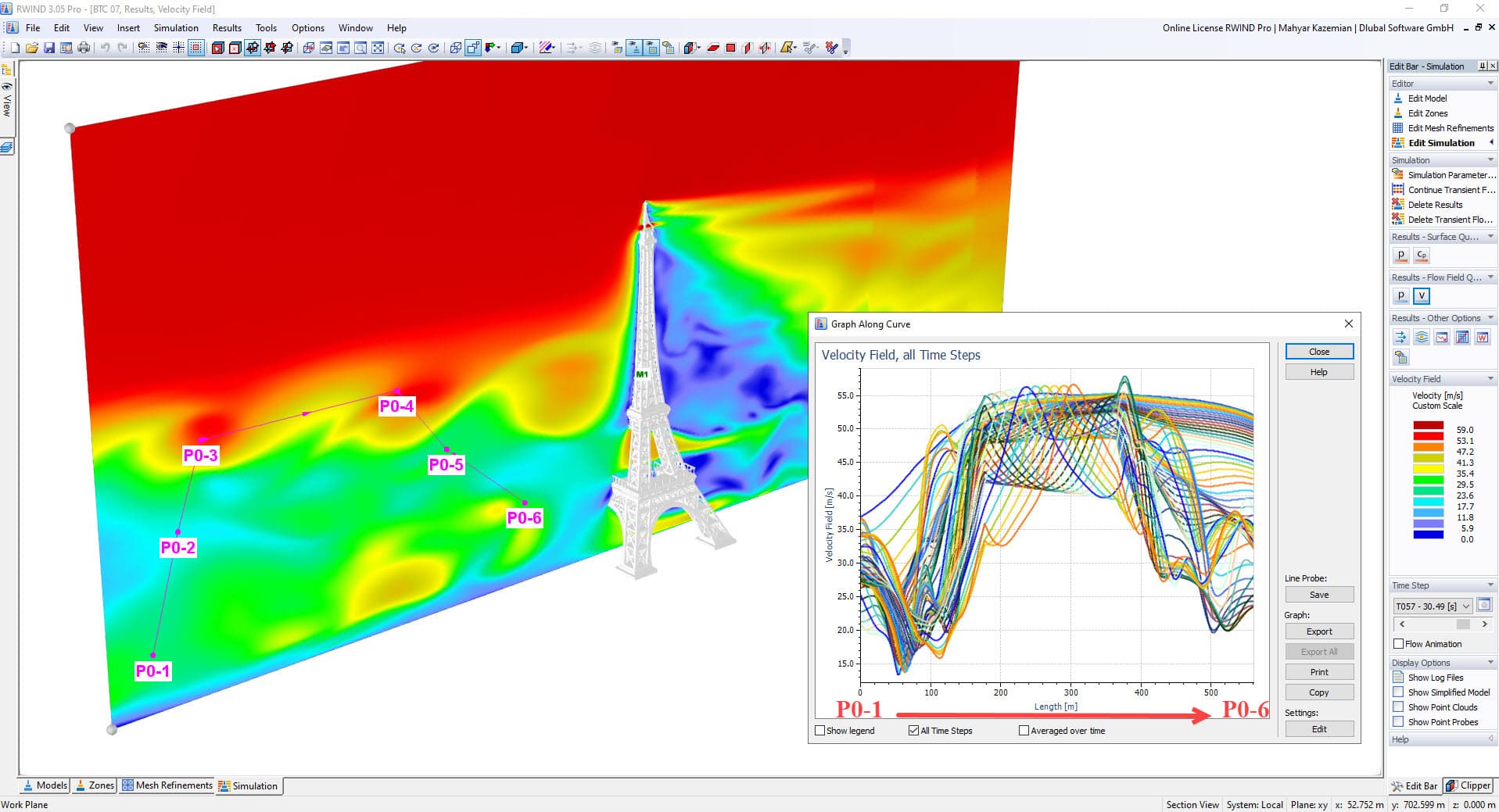
 Transient Simulation Using Time-Varying Inlet Boundary Condition in RWIND
Read More
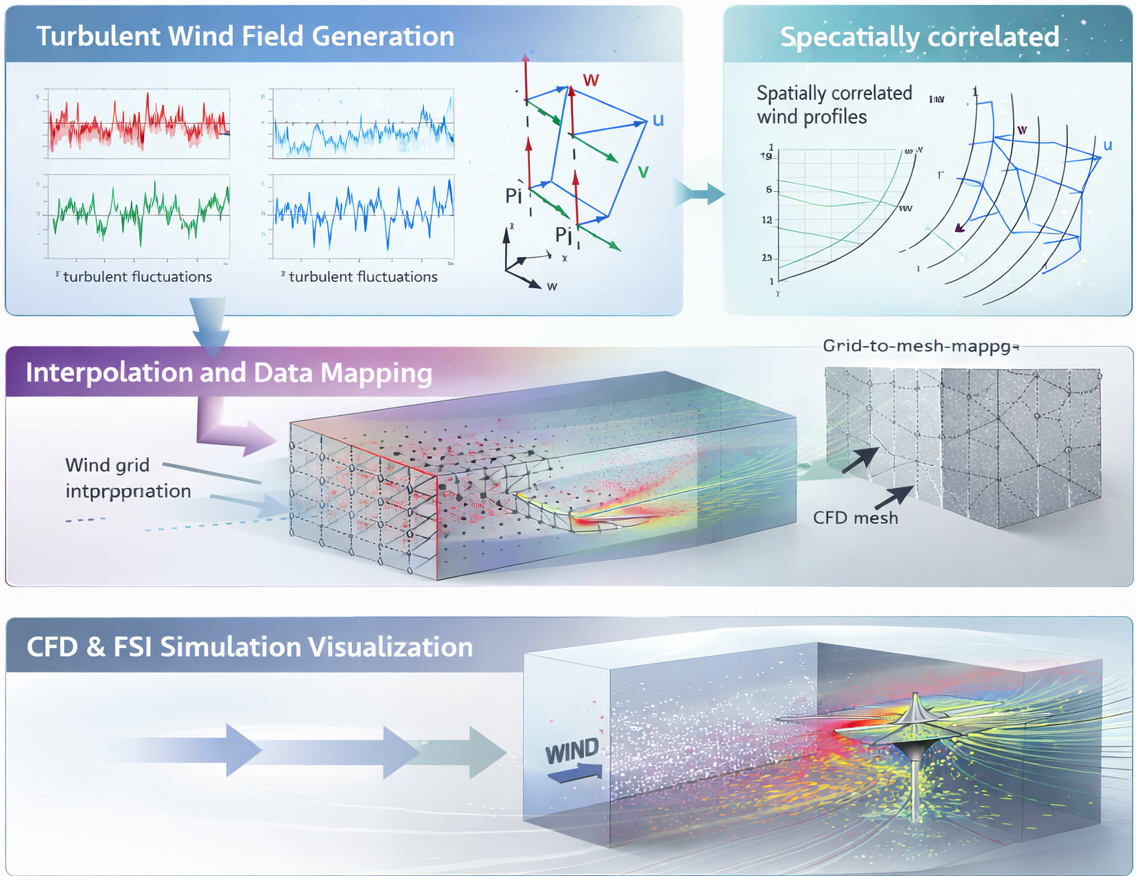
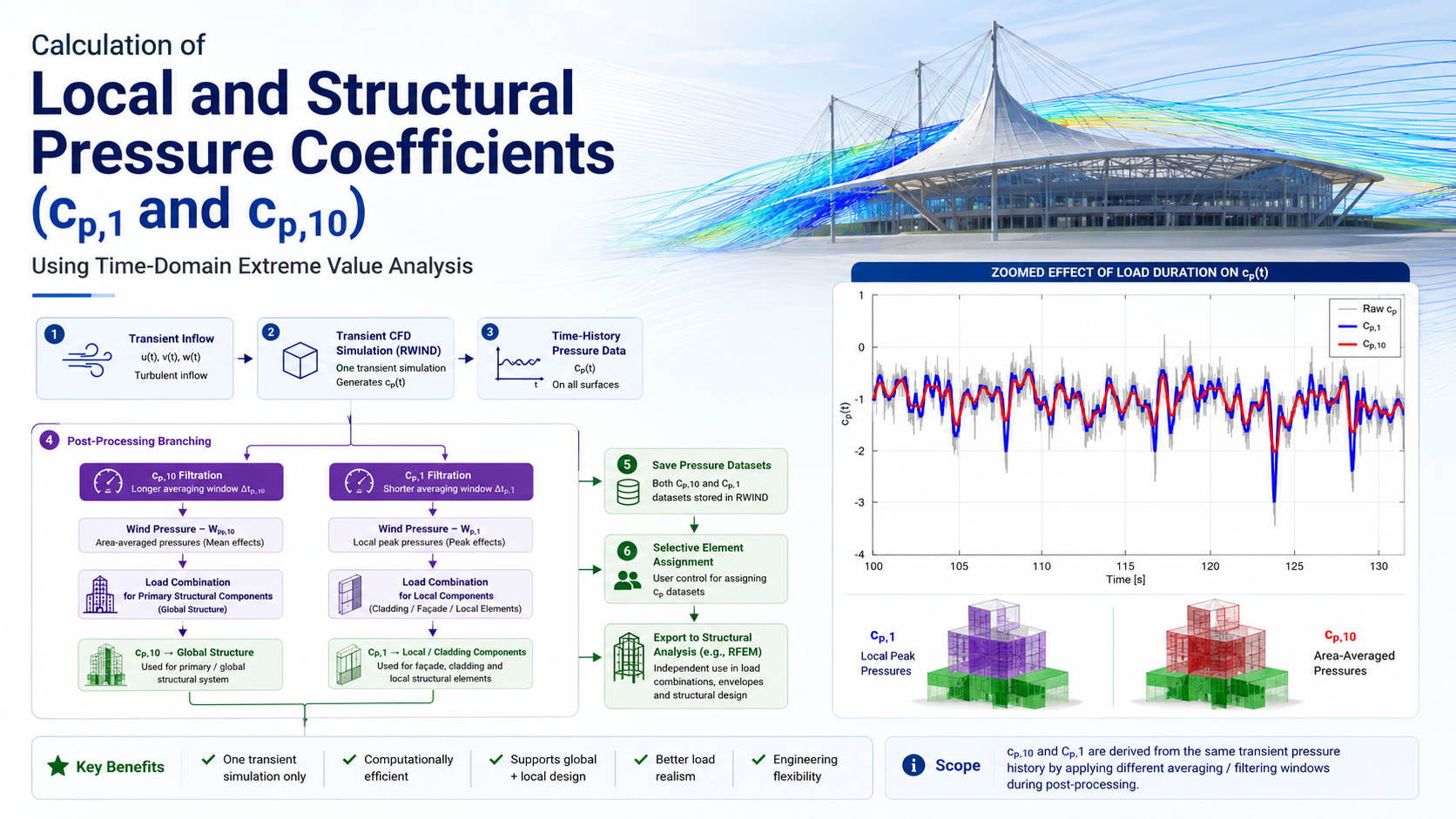
Time Varying Inlet Boundary Conditions (TVIBC) introduce realistic turbulence fluctuations into wind simulations, improving accuracy over steady inflows. This approach enhances predictions of peak pressures, dynamic responses, and gust effects on structures. TVIBC bridges computational results with wind tunnel data and modern design codes, making it more accurate tool for structural wind engineering.
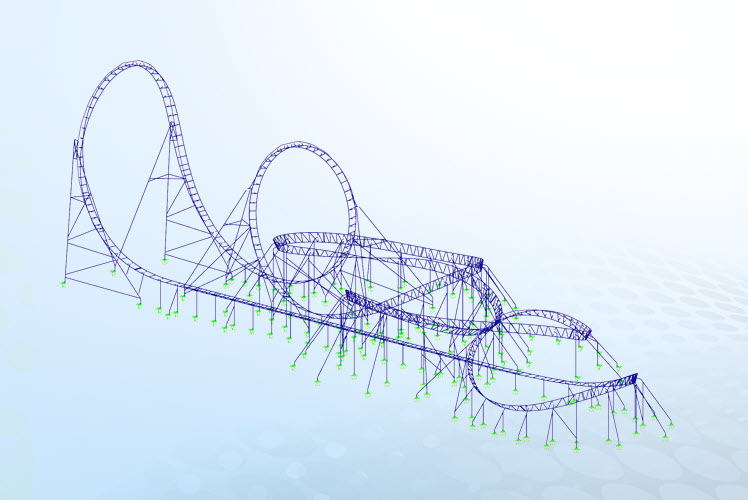
Wind-Structure Interaction in Roller Coaster Design
Read More
Roller coasters are among the most iconic examples of engineering artistry, combining structural innovation with human excitement. Yet, behind the adrenaline rush lies a sophisticated design process that ensures safety, reliability, and comfort. One of the most critical factors in roller coaster engineering is wind-structure interaction.
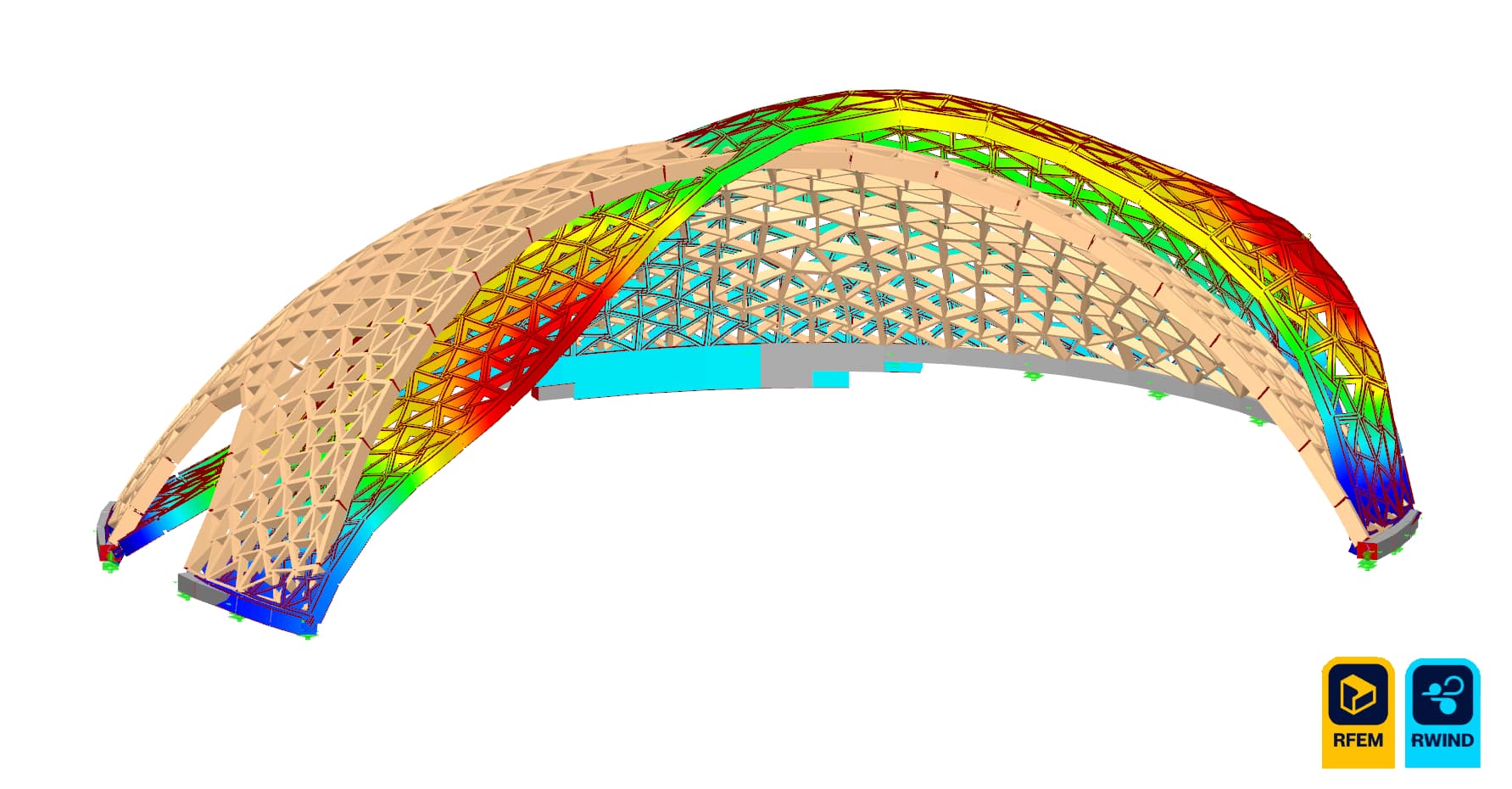
Advantages of CFD Wind Simulation Over Code-Based Static Wind Load Calculations
Read More
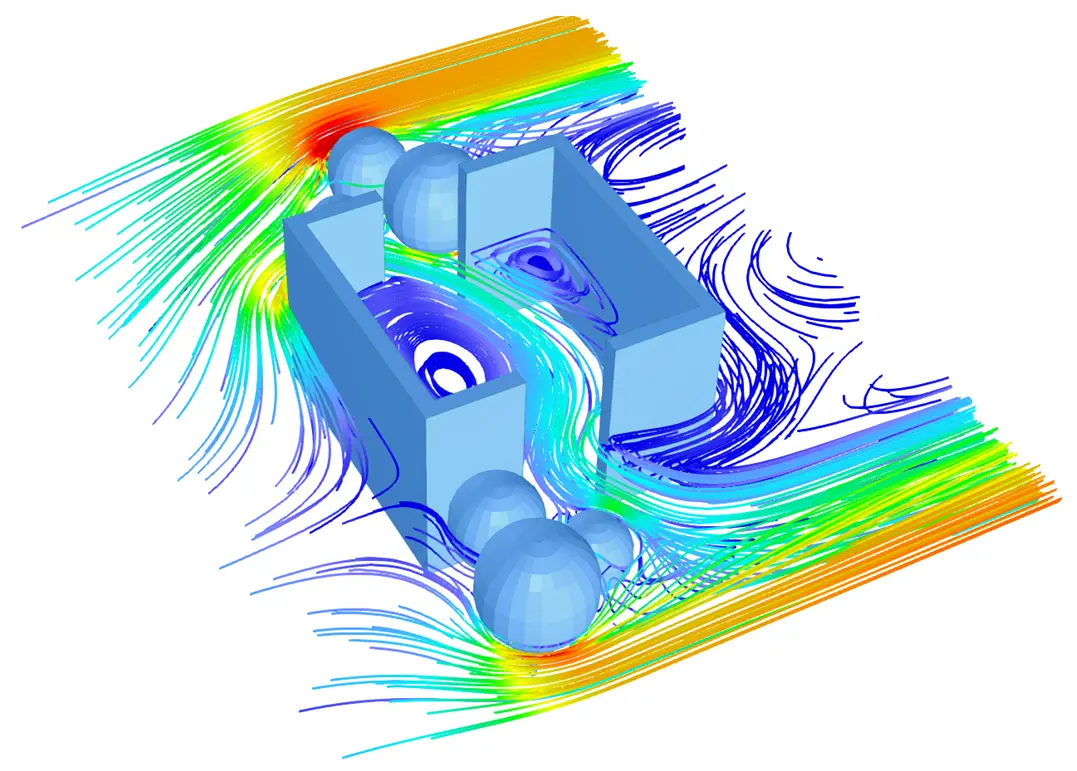
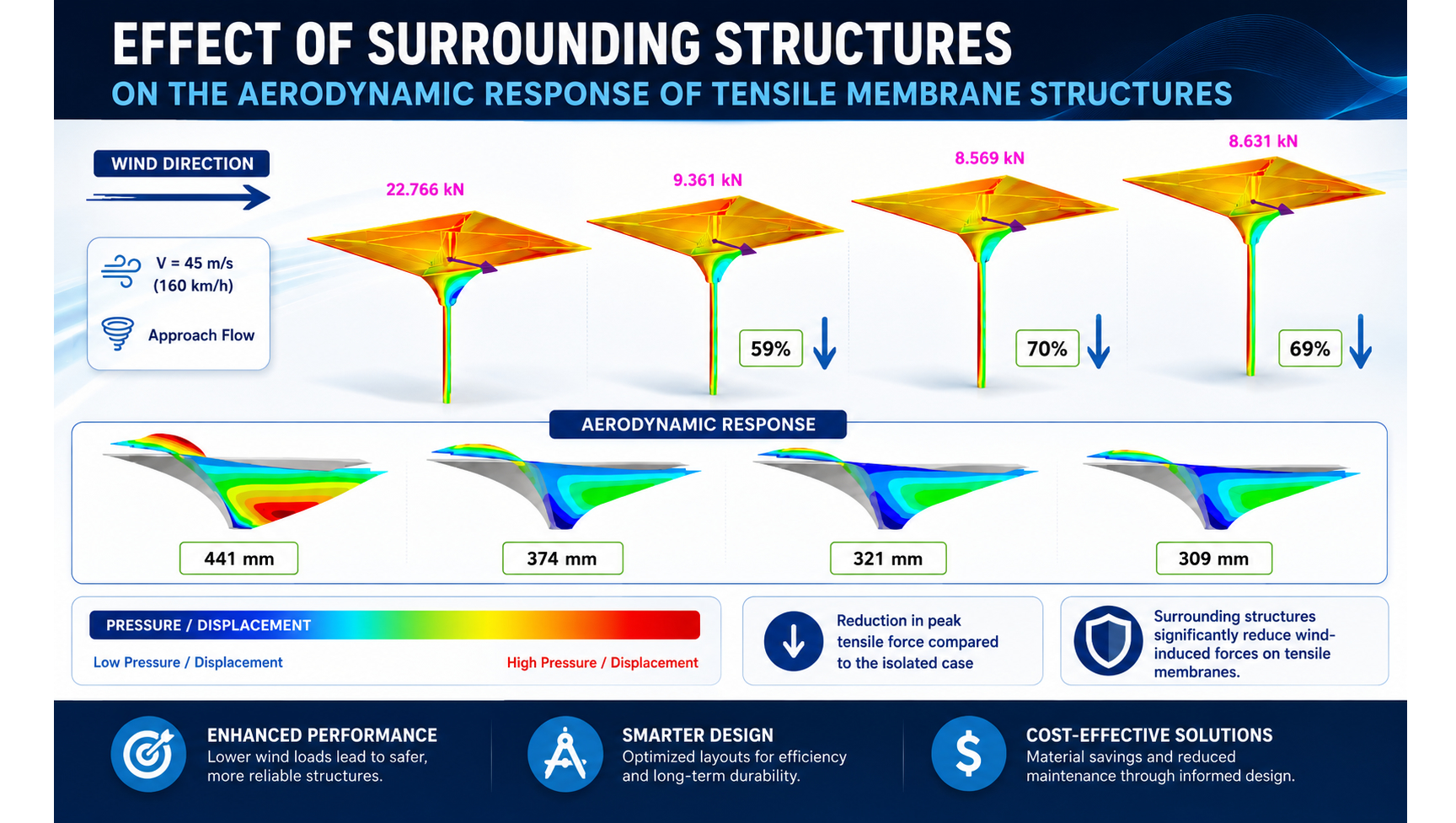
The article highlights how CFD wind simulation surpasses traditional code-based calculations by accurately modeling complex geometries, providing detailed pressure distributions, and capturing local wind effects. It emphasizes the flexibility of CFD in wind direction and site-specific profiles, as well as its integration with structural analysis. Despite higher computational demands, CFD offers greater precision and efficiency, making it especially valuable for tall, irregular, or wind-sensitive structures.
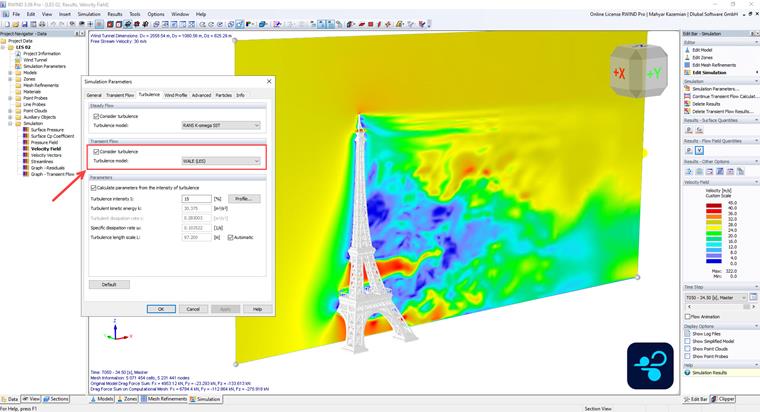
New Turbulence Model in RWIND: WALE (LES)
Read More
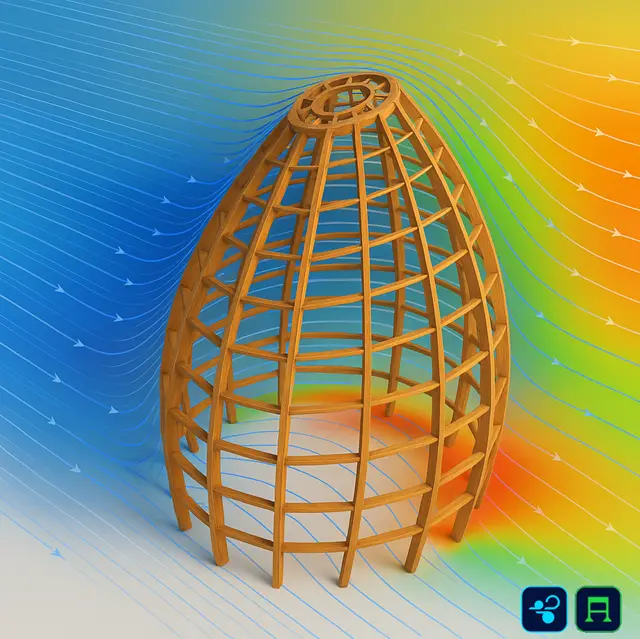
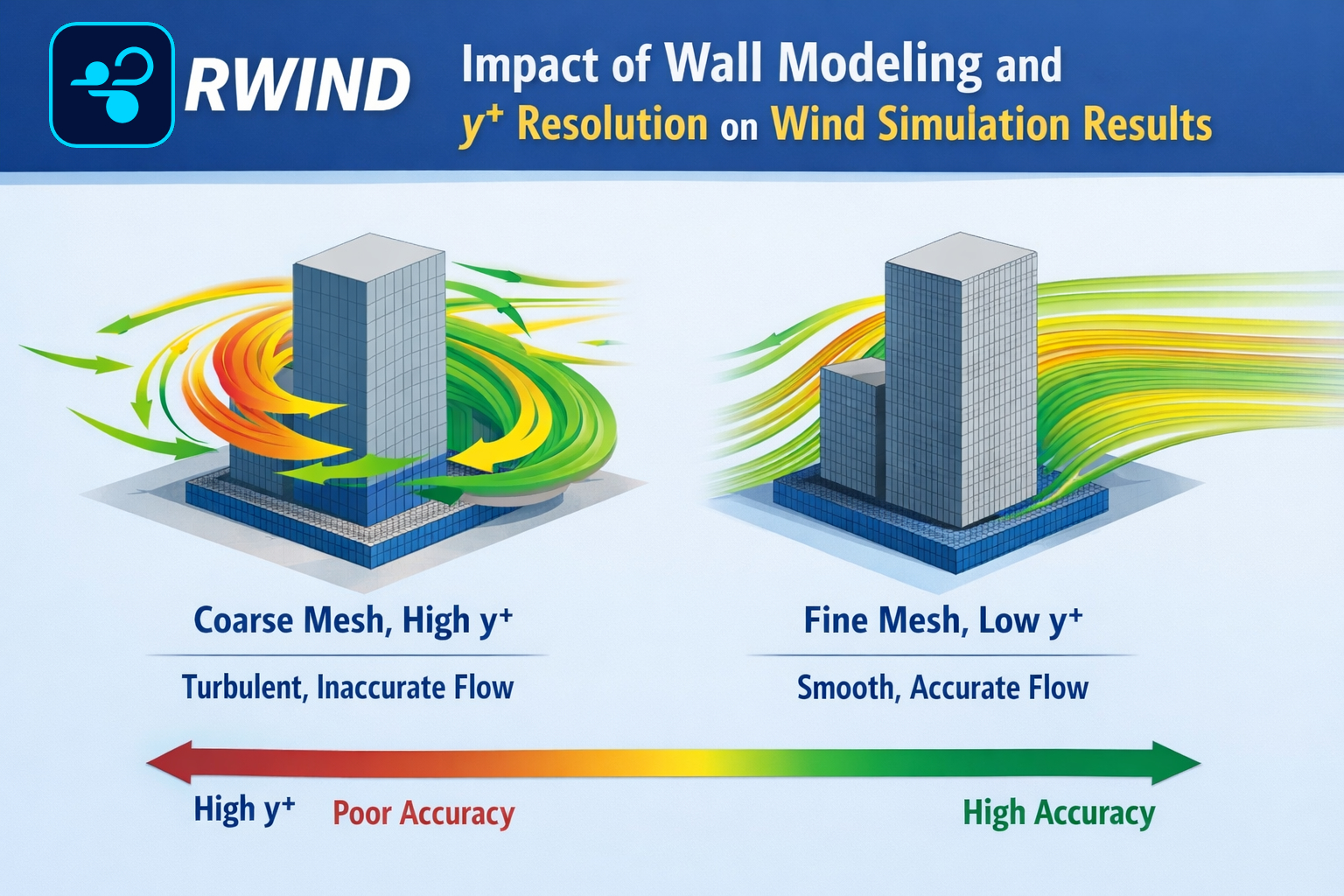
The article introduces the WALE (LES) turbulence model as an advanced subgrid-scale model within the Large Eddy Simulation framework for CFD simulation. Unlike conventional RANS approaches, which average turbulence effects, WALE resolves the large energy-carrying eddies while modeling only the smaller scales, thereby enabling a highly detailed and transient representation of turbulent flow structures.
Curious about practical applications? Check out these customer projects:
Bluebonnet artwork in Dallas, USA
Czech Pavilion EXPO 2025 in Osaka, Japan
Steel Membrane Roofing at Xuzhou University of Technology, China
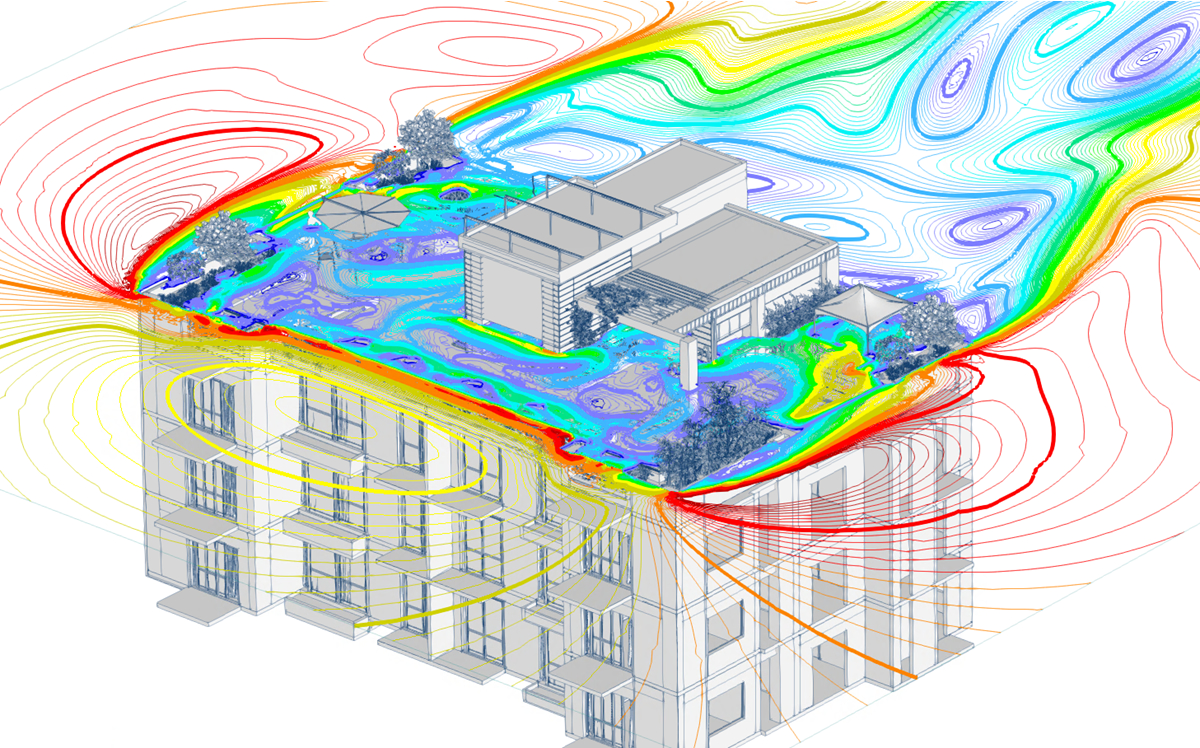
Residential Buildings in Trieste, Italy
Have a look and share your thoughts!
Your Dlubal Team