Our Knowledge Base is your hub for technical articles, tutorials, and background information on Dlubal Software – straight from our developers and support experts.
It's worth a look for these reasons:
 regular updates with practical, easy-to-follow articles
written by Dlubal specialists
including graphics and step-by-step explanations
Our latest articles provide insights into punching shear design across international codes – including EC 2, ACI 318-19, and CSA A23.3:19 applications in RFEM 6.
 Punching Shear Design with Double Headed Anchors acc. to EOTA TR 060 for EC 2
Read More
This article deals with double-headed stud shear reinforcement according to the European Technical Guideline EOTA TR 060, which can be used for design according to EC 2. In the following, the applicability, the consideration of manufacturer-specific parameters, and a breakdown of the required verification formats are described.
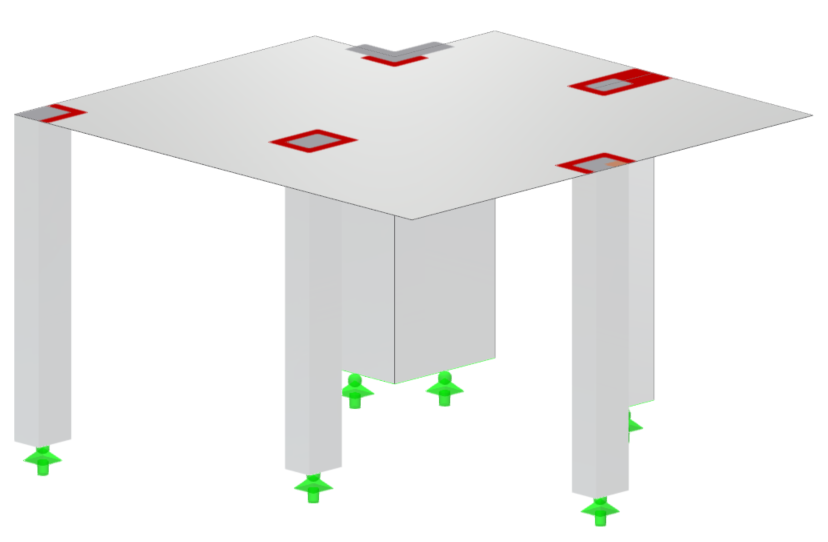
Punching Shear Design acc. to Eurocode 2 in RFEM 6
Read More
For slab-like members, at locations with concentrated load introduction, the shear verification must be replaced by the rules of the punching shear verification according to 6.4, EN 1992-1-1. In the course of the punching shear verification the acting shear force vEd must not exceed the resistance vRd.
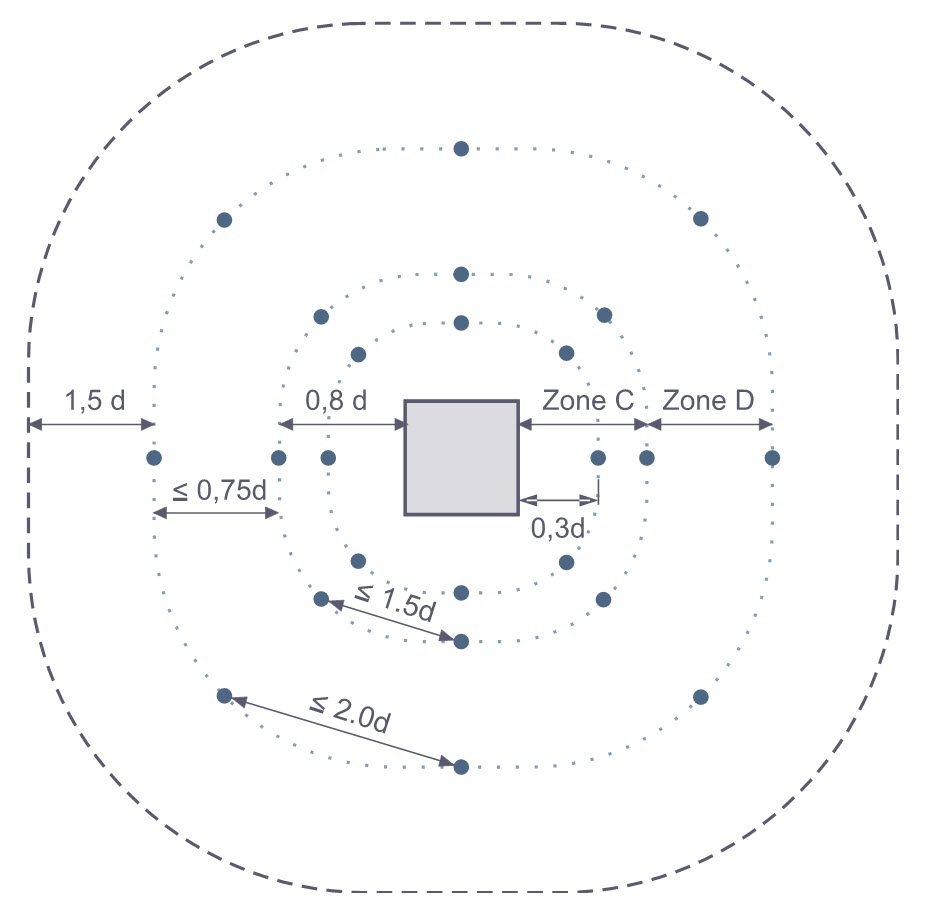
Punching Shear Design in RFEM 6 acc. to ACI 318-19 and CSA A23.3:19 – Part 1
Read More
The optimal scenario in which punching shear design according to ACI 318-19 or CSA A23.3:19 should be utilized is when a slab is experiencing a high concentration of loading or reaction forces occurring at one single node.
In RFEM 6, the node in which punching shear is an issue is referred to as a punching shear node. The causes of these high concentration of forces can be introduced by a column, concentrated force, or nodal support. Connecting walls can also cause these concentrated loads at wall ends, corners, and ends of line loads and supports.

Punching Shear Design in RFEM 6 acc. to ACI 318-19 and CSA A23.3:19 – Part 2
Read More
This article outlines new enhancements introduced to punching shear design in RFEM 6, expanding on the initial feature set discussed in Part 1. These updates align with the provisions of ACI 318-19 and CSA A23.3:19, offering improved precision and broader design capabilities.

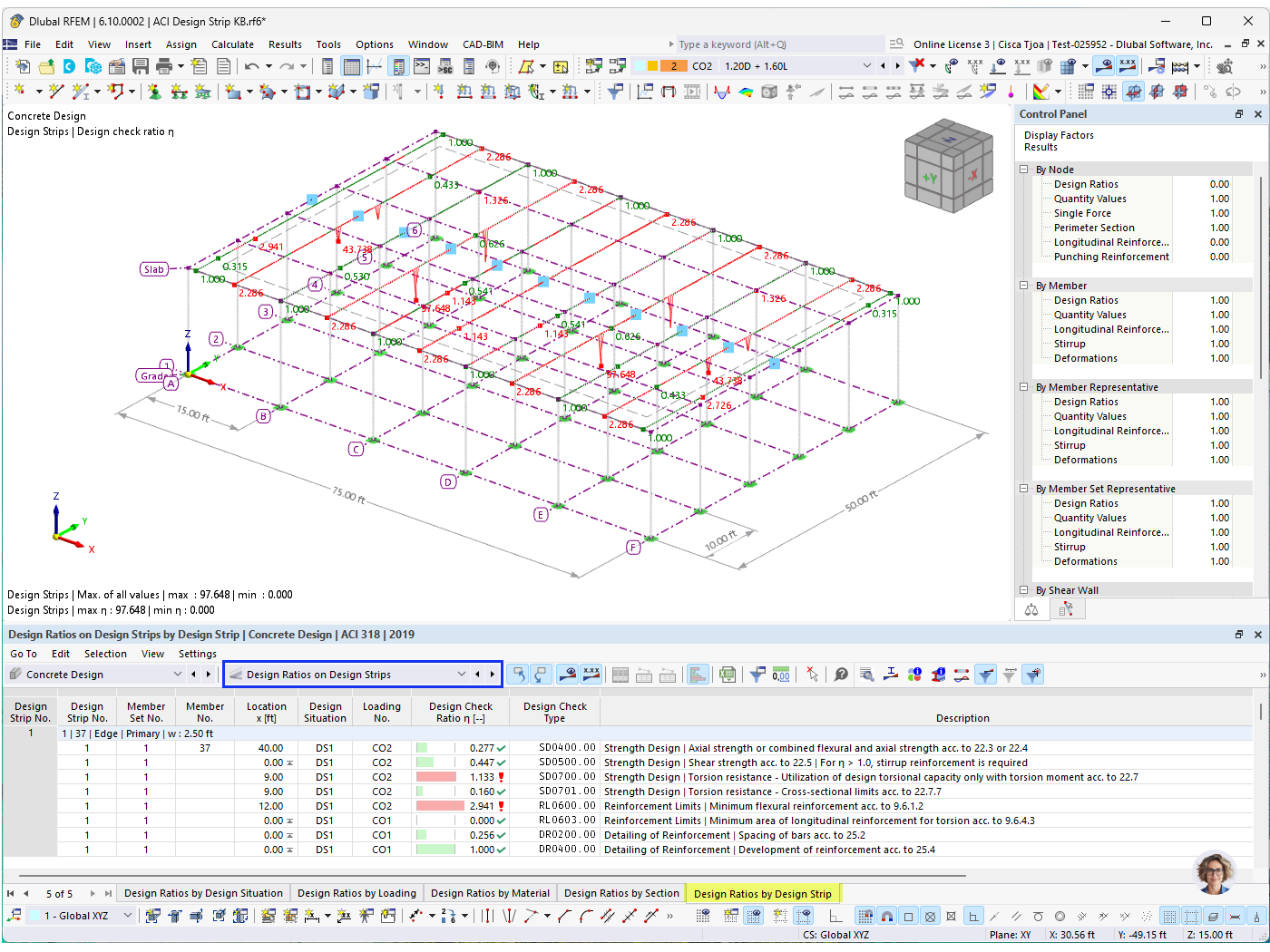
Design Strip acc. to ACI 318-19 in RFEM 6
Read More
The Design Strip Method according to ACI 318-19 Section 8.4.1 is used in two-way slab design for distributing/averaging moments and designing the slab reinforcement.
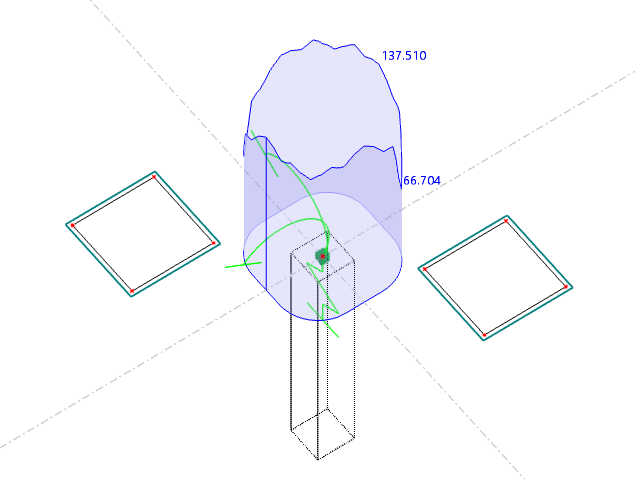
But what about singularities?
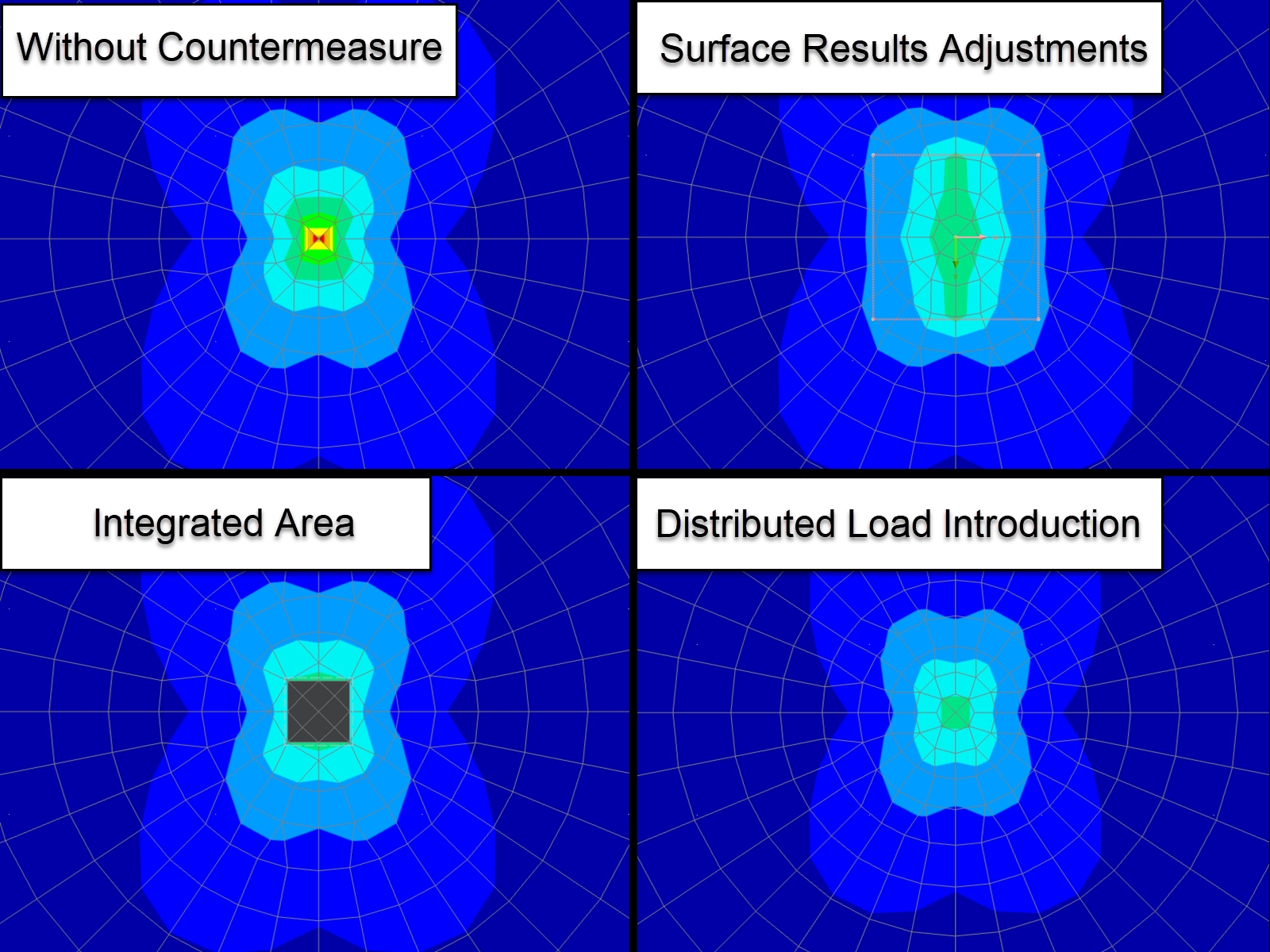
In FEM-based punching shear design, local stress concentrations near supports, columns, or concentrated loads can significantly affect the results. Knowing how to interpret these singularities is crucial for obtaining meaningful and designable verification results.
Handling Singularities in the Design of Reinforced Concrete Surfaces
Curious about practical applications?
Parking Ceiling Reinforcement in Prague, Czechia
FC Campus Office in Karlsruhe, Germany
Have a look and share your thoughts!
Your Dlubal Team